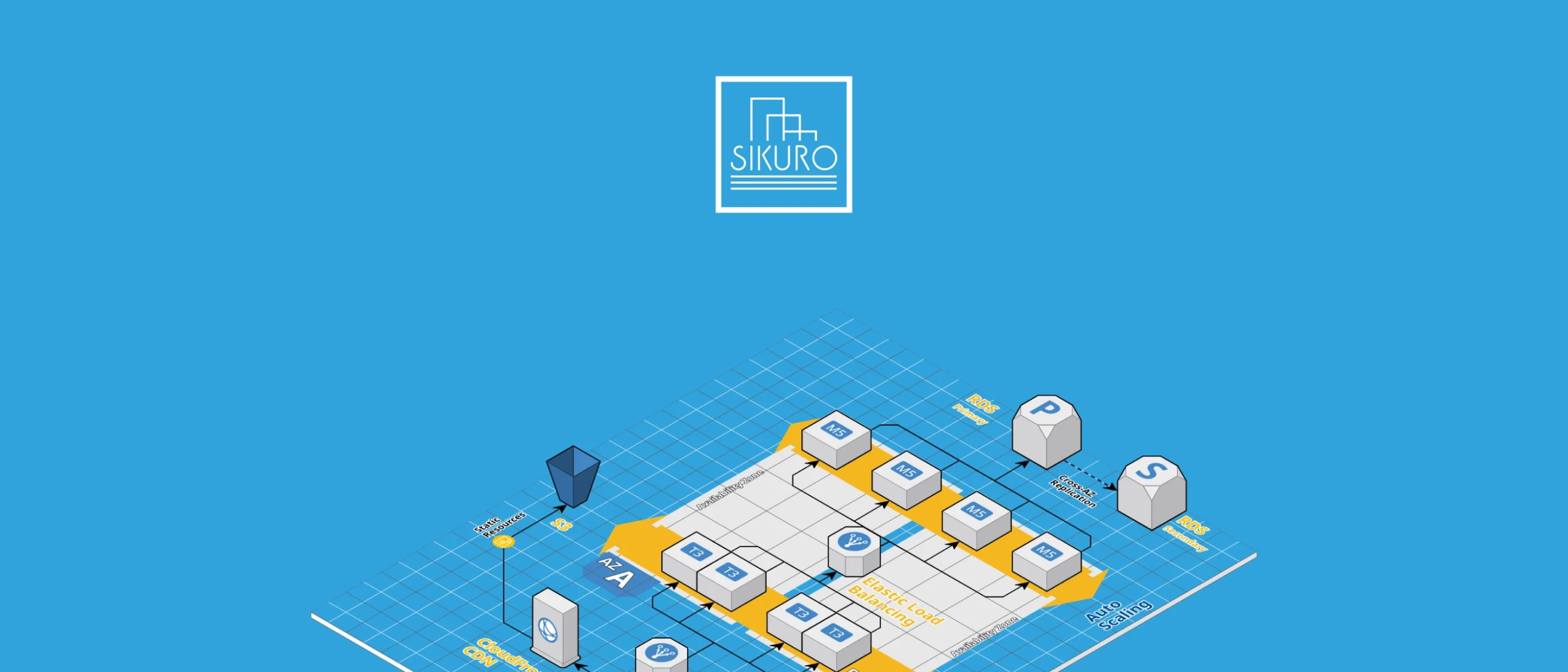
Migration to the AWS cloud
Cloud re-engineering, optimisation and cost / performance monitoring
Industry: Construction
Client: Sikuro Group
Context
A fast-growing document management platform for safety in the construction sector.
Problem
A fragmented, poorly controlled cloud infrastructure was creating operational complexity, high costs and risks to reliability and compliance.
Solution
Infrastructure consolidation and automation with centralised management and proactive monitoring, supporting scalability, security and product development.
Sikuro is a company specialising in safety document management, with a specific focus on the construction sector, where it helps companies, contractors and subcontractors with supplier qualification and regulatory compliance. As its software grew and its customer base expanded, the company recognised the need to optimise and consolidate its cloud infrastructure, which until then had been fragmented and managed by external providers. The goal was to ensure reliability, scalability and security, building a solid technology foundation on which to develop the product over time.
Challenge
Sikuro's cloud was largely managed by an external provider focused mainly on development rather than infrastructure optimisation. This had led to runaway costs, duplicated data, storage problems and regulatory compliance issues.
The infrastructure was also split between Digital Ocean and AWS, creating operational complexity and poor visibility across the whole system. The in-house team, focused on product development, did not have the time or resources to handle maintenance and continuous monitoring on their own.
Sikuro was therefore looking for a proactive technology partner able to take over full management of the infrastructure, reduce data-related risks and optimise costs and performance with a long-term view.
Solution
Mònade managed the entire infrastructure migration and re-engineering process, consolidating all systems on AWS and moving the workload from Digital Ocean to a Kubernetes cluster (EKS). This made it possible to run the whole system independently of the cloud provider, while still taking advantage of the flexibility and resources it offers.
Particular attention was paid to infrastructure observability, both through real-time monitoring with tools such as Grafana and Loki, and through alerting, so that issues in the system can be addressed promptly.
During the transition, the development and deployment pipelines were completely rewritten with a focus on:
- Business continuity
- Parity between development, staging and production environments
- Cost and storage optimisation through lifecycle rules
The pipelines were rewritten incrementally and without disruption, so the development team could keep shipping product releases without interruption: at first the two systems ran in parallel, and their components were migrated step by step.
A central element was the Infrastructure as Code (IaC) approach, which allowed Sikuro to automate infrastructure management, improve traceability, version and audit infrastructure changes, and reduce the risk of human error, while increasing operational flexibility and systems governance.
Result
Sikuro now has a unified, secure and scalable cloud infrastructure that can support the company's growth and relieve the in-house team of the most operational tasks.
Proactive systems management has significantly reduced running costs, eliminated duplicated data and improved compliance with industry regulations. Continuous performance monitoring ensures stability, reliability and a solid foundation for future technology developments.
The project introduced a centralised cloud architecture for Sikuro, overcoming the fragmentation of its previous systems and enabling more efficient management and automation processes.
More case studies
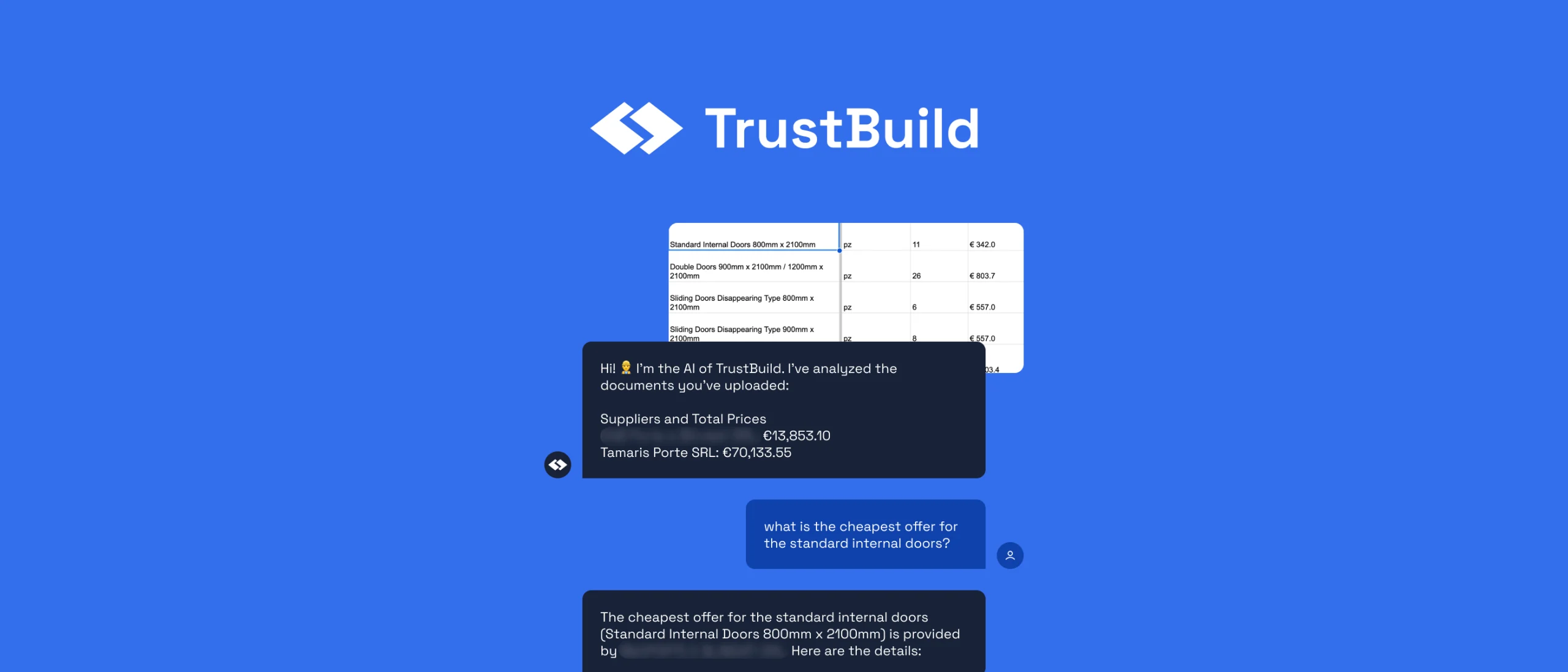
Trustbuild AI
An AI system that extracts and normalises the cost items in construction quotes, generating an editable worksheet with corrections via chatbot.
Trustbuild · Construction
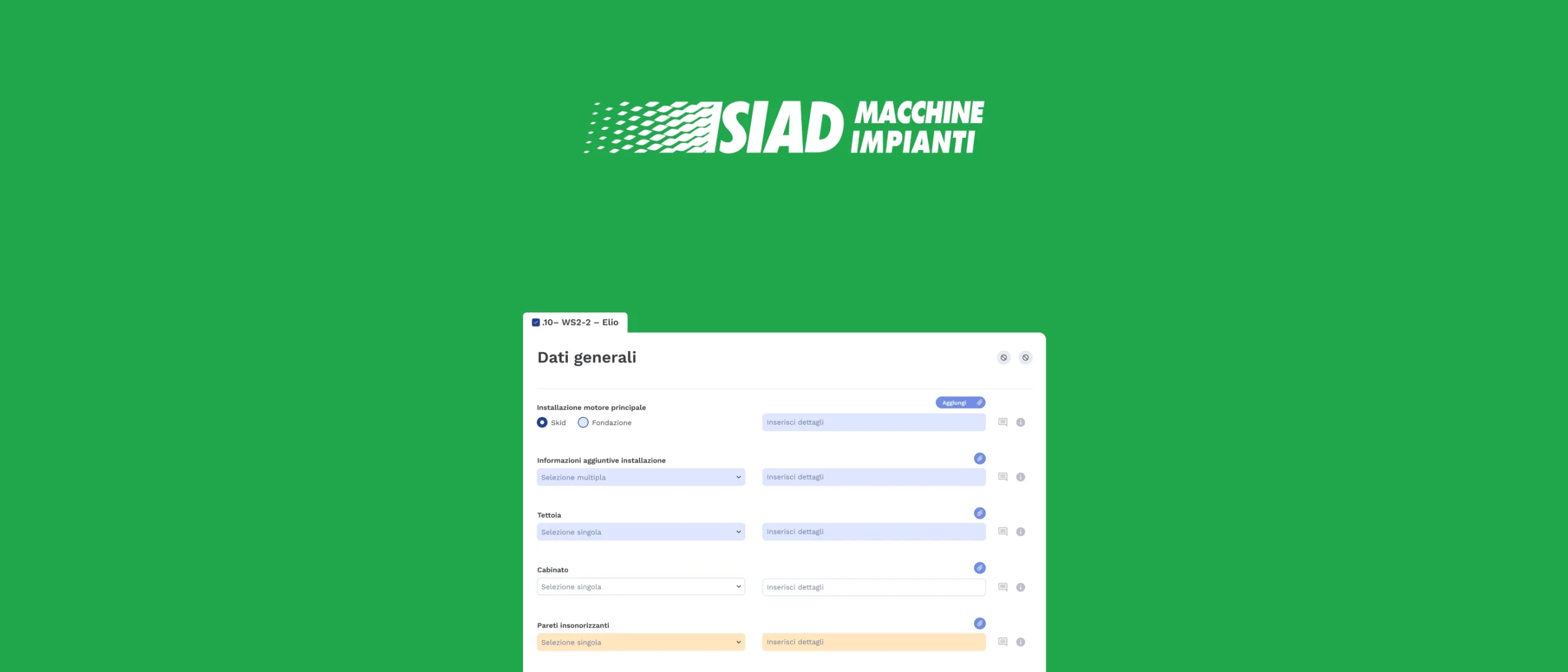
EVA – Engineering project management
An app that centralises jobs and standardises workflows, reducing errors and improving traceability.
SIAD Macchine Impianti · Energy
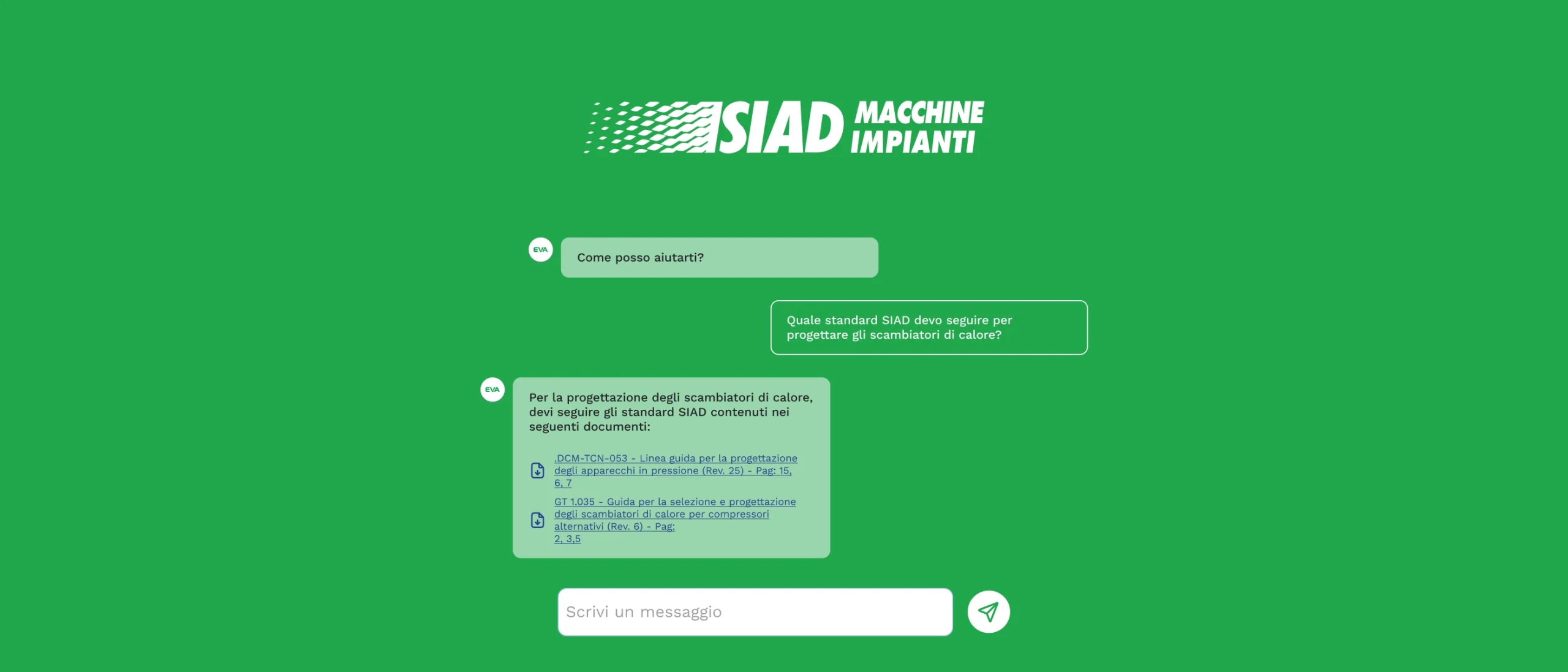
EVA AI – Virtual assistant
An AI-powered assistant that helps engineers put together project documentation.
Siad Macchine Impianti · Energy