Adalytics – Design System
Visual components and guidelines to ensure consistency and quality across the product
Industry: Business & Marketing Services
Client: Bmat Ads Innovation
Context
Rapid growth in the features of the Adalytics platform.
Problem
Interfaces that were hard to maintain and update consistently.
Solution
A modular Design System with reusable components that speeds up development and reduces maintenance.
AD Control is an Italian company specialising in advertising monitoring and verification. With Adalytics, its proprietary platform for monitoring and analysing advertising data, it offers clients an advanced technical product that is constantly evolving, with growing demands for scalability, usability and speed of development. Over time, the growth in features and the expansion of the team had led to inconsistent interfaces, making maintenance harder and slowing development down. To restore consistency and prepare the platform to grow more efficiently, a structured Design System was needed.
Challenge
Every new feature had brought small stylistic or logical deviations which, added up over time, had made the platform less consistent and more complex to maintain.
The result was a slower development cycle: designers and developers spent valuable energy realigning on visual and behavioural details, taking time away from building new features.
The challenge was therefore twofold: to restore visual and functional consistency across the whole platform and, at the same time, to optimise collaboration between teams, setting Adalytics up to scale more efficiently.
Solution
We tackled the project in four stages.
The first was an in-depth UI audit to identify visual and functional inconsistencies, redundant components and critical areas for the user experience.
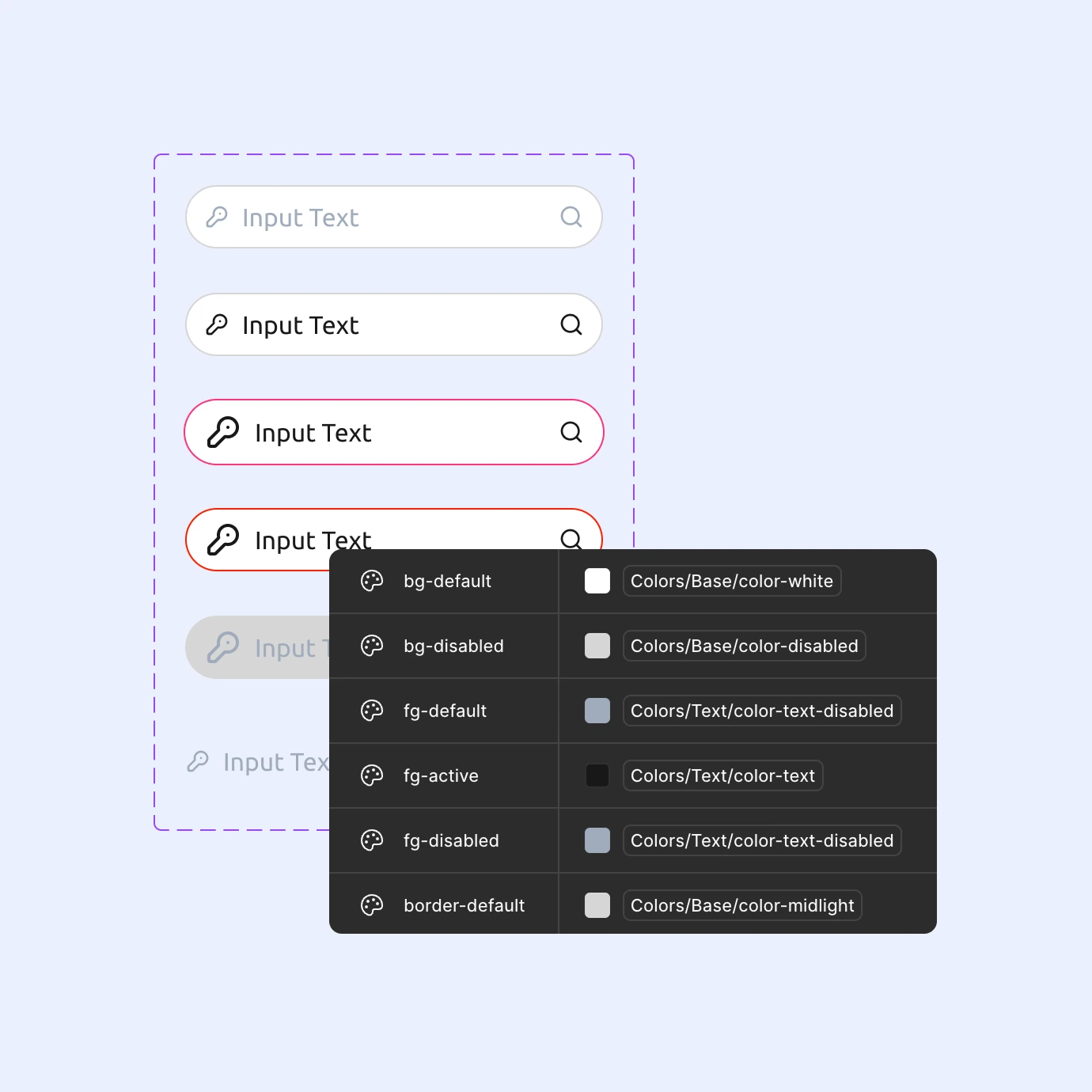
Next, we defined the design tokens and core variables: typography, spacing, colours, icons, grids and responsive rules, all designed to scale.
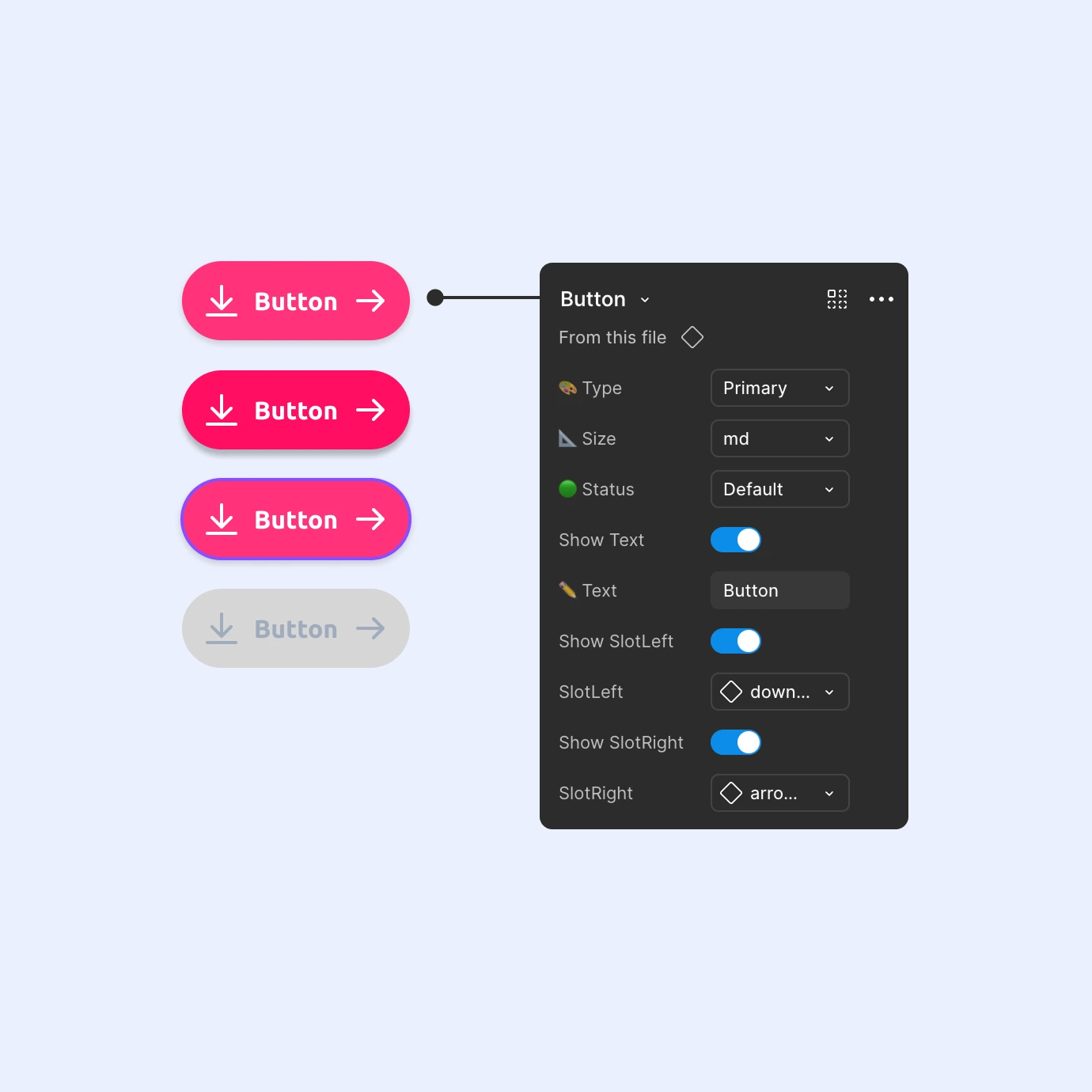
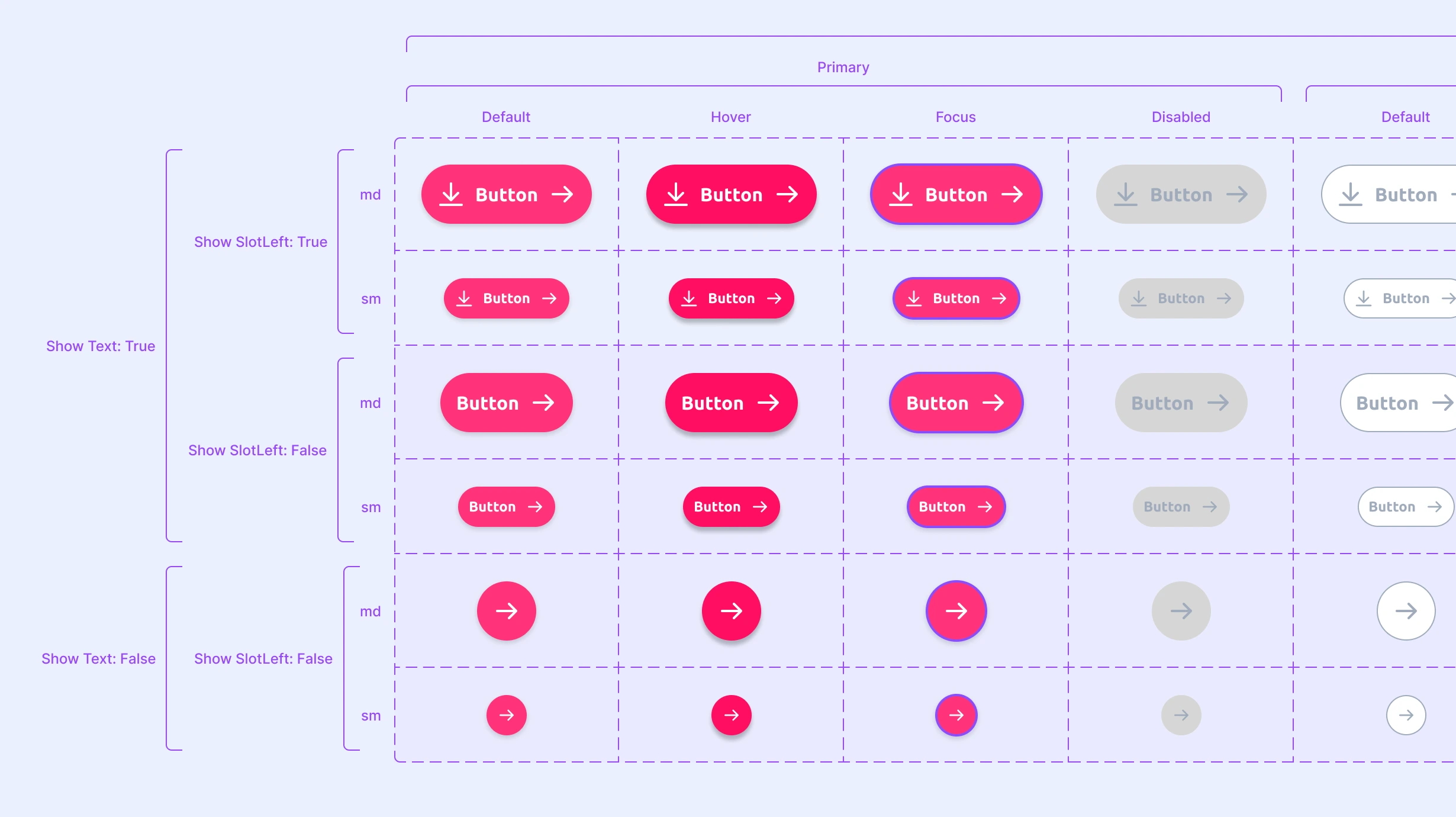
From these elements, we created a modular, reusable Component Library, with variants able to handle the platform's different use cases. Every component was documented and tested together with the development team.
Finally, we supported the in-house teams through integration and onboarding, ensuring a smooth transition and helping them adopt the new system in their day-to-day workflows.
Result
Introducing the Design System had an immediate impact on the Adalytics development cycle. With ready-made components consistent with the brand identity, the team was able to significantly speed up the delivery of new features, with an estimated reduction in development time of between 40% and 60%.
Product maintenance also became simpler: every stylistic or functional update is applied directly to the Design System and automatically propagated to all the interfaces involved. This approach cut update and maintenance effort by around 20–30%, freeing up resources for higher-value work.
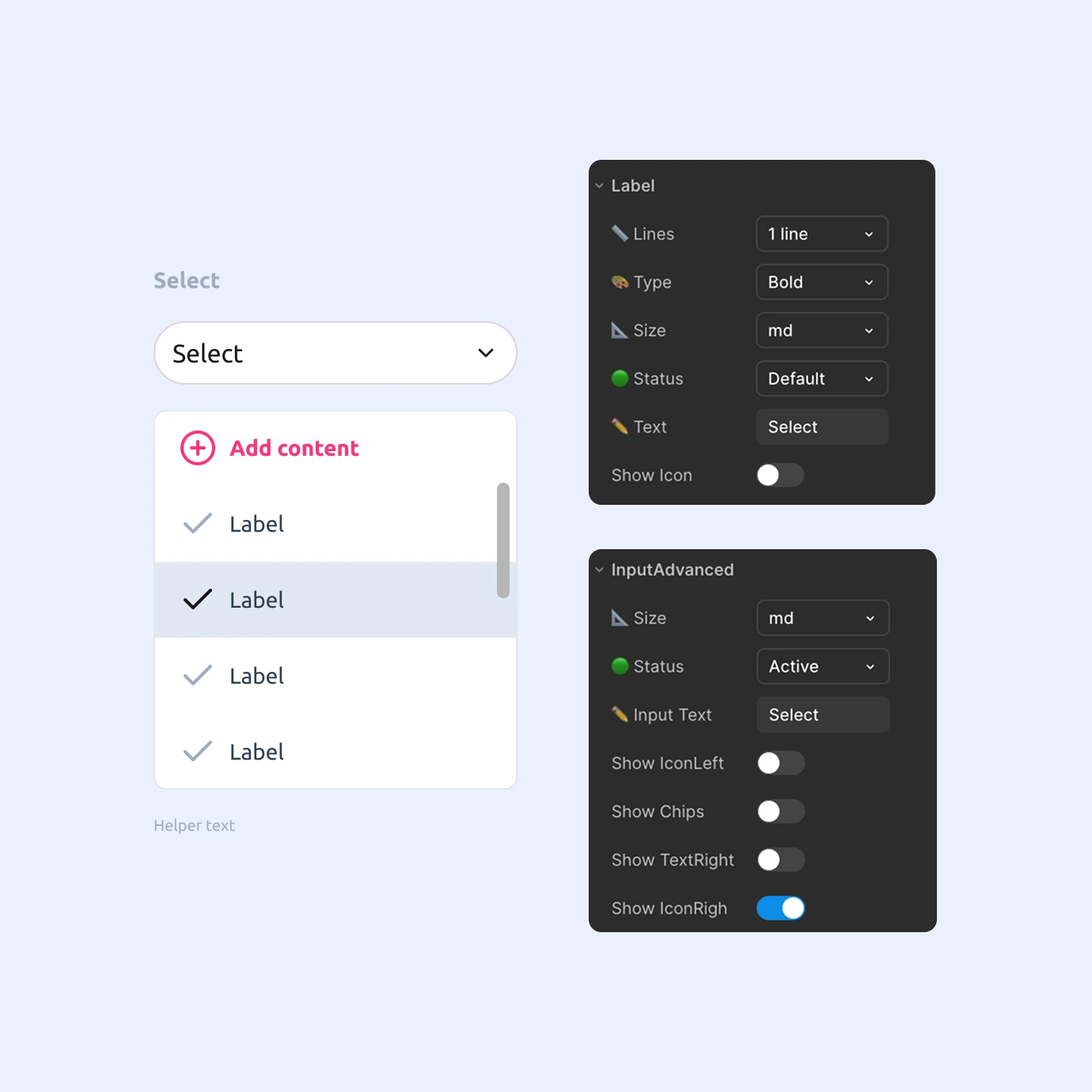
With the new Design System, Adalytics has not only gained efficiency and scalability but also strengthened its visual consistency, giving users a more solid and professional experience.
More case studies
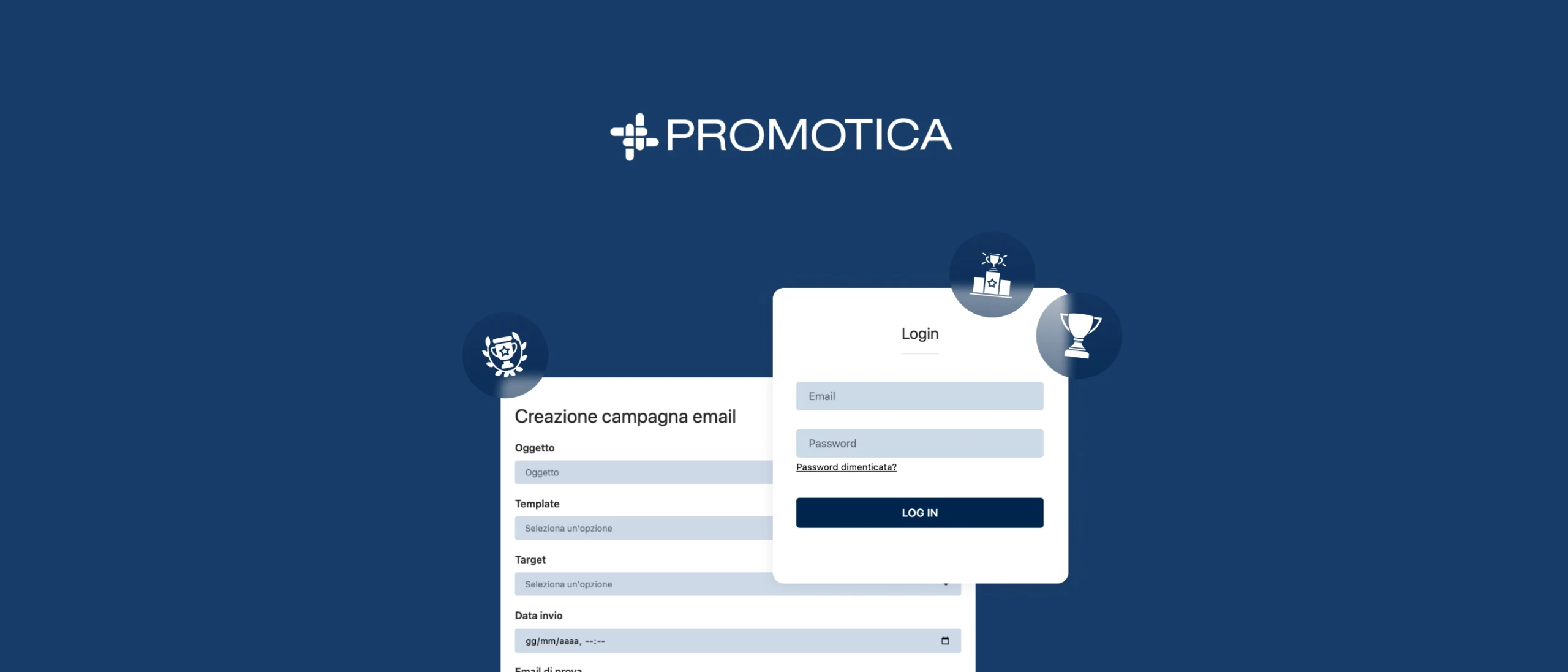
Long-term collaboration
A scalable technology partnership that works alongside the in-house team, developing custom digital platforms (gamification, large-scale retail, internal tools) and AI-based solutions, ensuring speed, flexibility and continuity.
Promotica · Business & Marketing Services
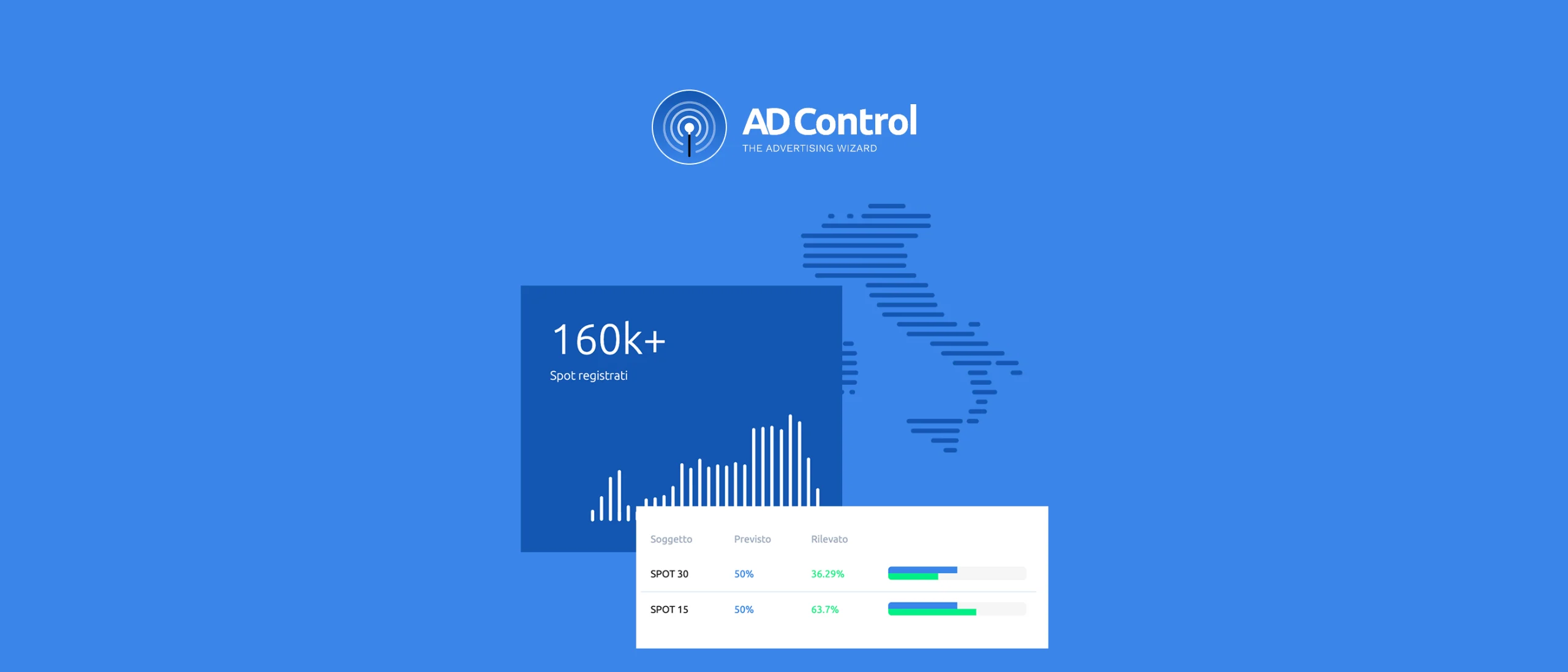
AD Control Platform
A step-by-step evolution of the platform that turned the system into a modular ecosystem of analytics and media intelligence tools, able to generate strategic insight and adapt to different audiences and use cases.
Bmat Ads Innovation · Business & Marketing Services
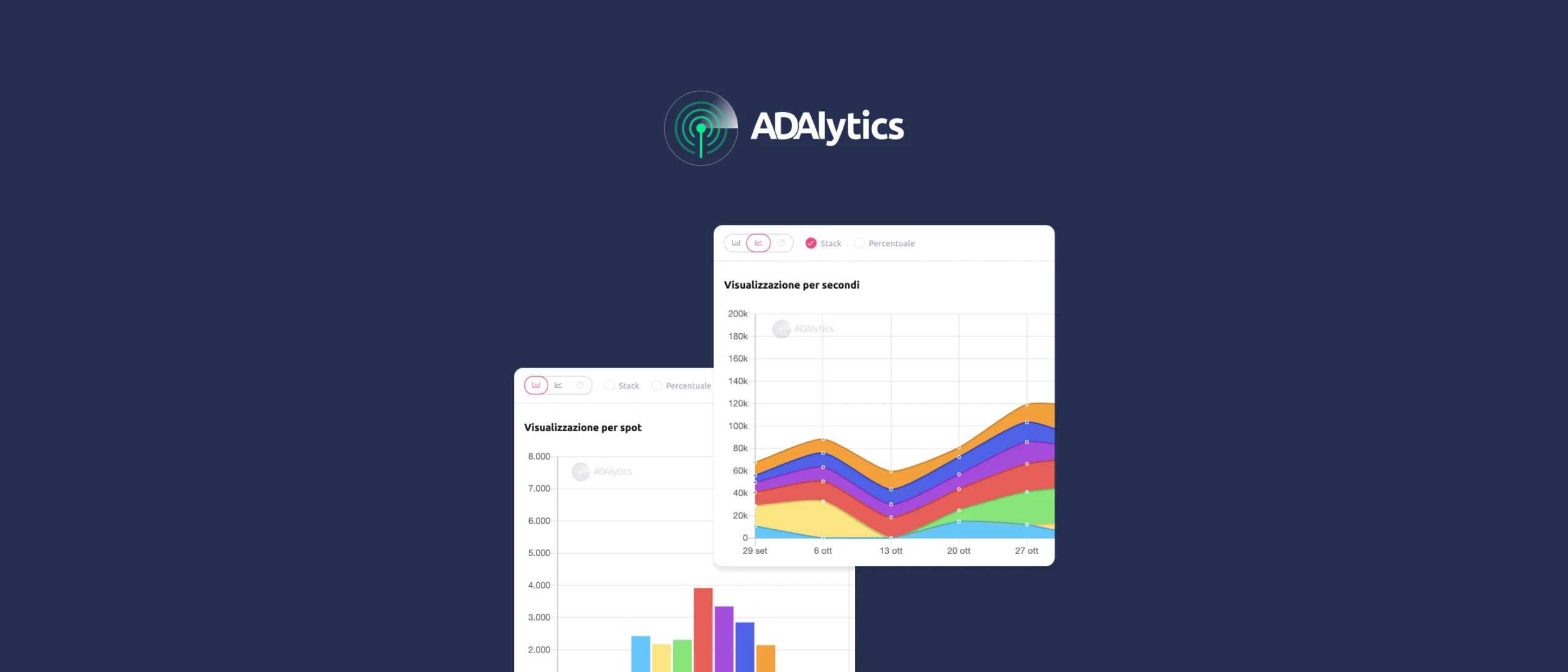
Adalytics – Development and optimisation
A web app with interactive dashboards, heatmaps and alerts that delivers in-depth analysis, competitor monitoring and strategic insights.
Bmat Ads Innovation · Business & Marketing Services